Onboard lifestyle guide

Dining at sea, planned your way

Shipjou Rneyhub is an independent English-language New Zealand cruise ship guide and onboard lifestyle review site. This guide helps you read the dining landscape on modern ships: included meals, casual stops, specialty tables and experience-led occasions, alongside the changing rhythm of seasonal Pacific itineraries.

  • Included restaurants and everyday meal routines
  • Specialty venues, bistros and culinary presentations
  • Booking, timing, access and sailing-specific checks
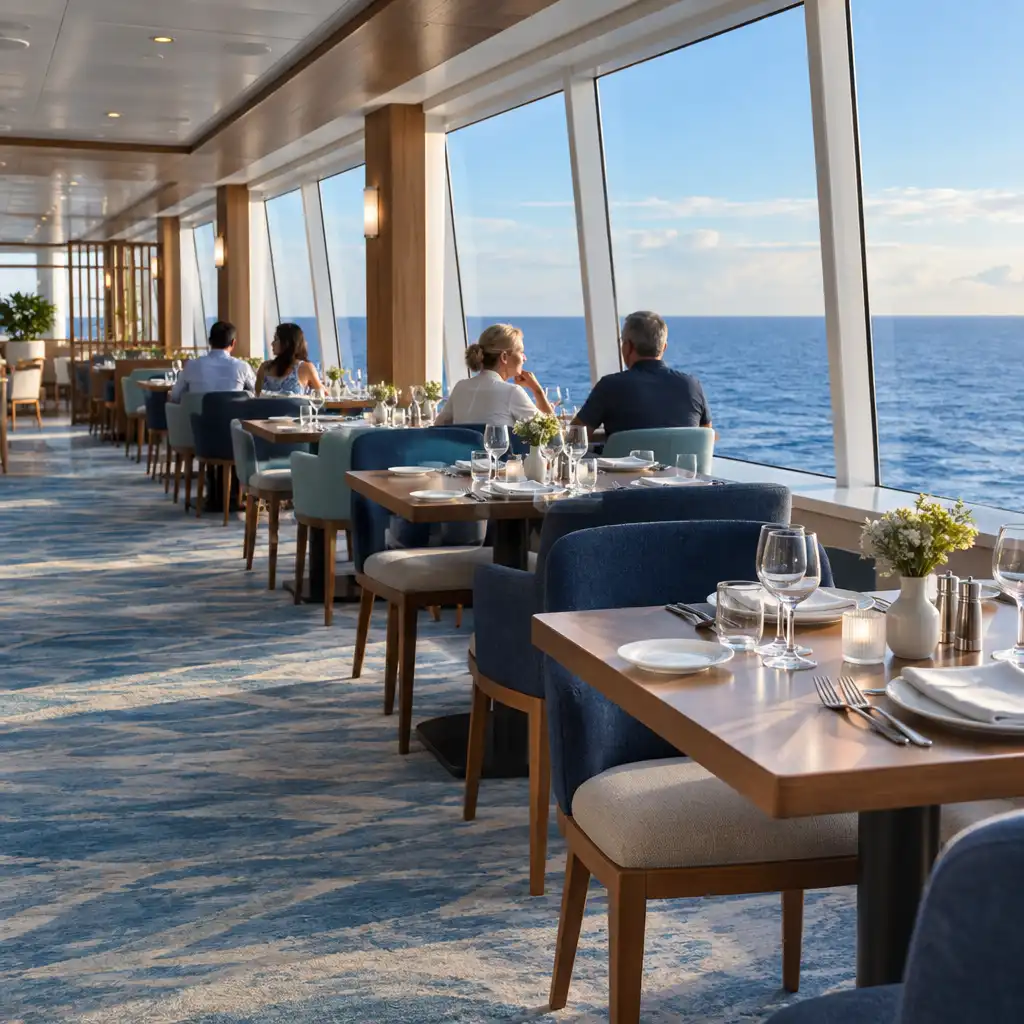
Contemporary cruise ship dining room with ocean-facing windows and a Pacific horizon.

Reading dining claims

Start with what is included

The most useful first distinction is between the meals that form your everyday base and bookable experiences that may have separate conditions. Neither model tells the whole story on its own, so use current sailing details alongside independent ship research.

Everyday base

Included dining

Included options commonly shape the daily food routine, but the mix of main dining rooms, casual outlets and buffet access can differ between ships and fares. Their hours, meal periods and reservation arrangements may also change from one sailing to another.

For many travellers, the advantage is flexibility: a dependable meal structure without needing every dinner planned in advance. Check the current sailing information before booking, especially if a particular meal time or venue style matters to your group.

Optional experience

Specialty dining

Specialty venues are usually best treated as bookable experiences that may carry a supplement, package condition or limited availability. Their value depends on the occasion, your menu preferences, the time you want to set aside and the budget you have chosen for the trip.

A planned meal can be a lovely addition, but it is not automatically the better choice. Review the terms for your specific sailing and decide whether it fits your schedule rather than assuming it belongs in every cruise plan.

Check sailing terms before you decide.

Match the moment

Choose the setting that suits the moment

Venue count is less useful than knowing how each setting may fit an early port morning, an unhurried evening or a group with different routines. These common formats are a guide, not a promise that every ship carries all of them.

Structured evening

Main dining rooms

A seated setting with a defined service rhythm can make dinner feel like part of the evening rather than a quick stop. Assigned and flexible arrangements differ, so check dining times, dress guidance and reservation mechanics for the sailing you are considering.

Best for: travellers who enjoy making dinner an anchor point.

See dining context in ship overviews

Planned occasion

Specialty restaurants

A specialty meal can suit travellers who want to reserve time for a particular atmosphere or a quiet celebration. Booking windows and limited seating may be relevant, so weigh the experience against your schedule and spend before treating it as essential.

Best for: one intentional evening with room around it.

Compare ship-level dining details

Flexible food

Casual buffets and grab-and-go

Informal food can make early excursions, changing plans and family routines easier to manage. Peak-time flow, seating and late-day options still matter, so look for those practical details in individual ship reviews rather than assuming round-the-clock availability.

Best for: adaptable days and mixed appetites.

Research casual dining by ship

Open-air pause

Seaside bistros and open-air spots

Outdoor-facing venues can make sea days and warm-weather Pacific routes feel more connected to the journey. Comfort is shaped by wind, shade, weather and sailing conditions, so check whether an outdoor option is seasonal or weather-dependent on the ship you choose.

Best for: relaxed lunches and time near the horizon.

Explore onboard amenity notes
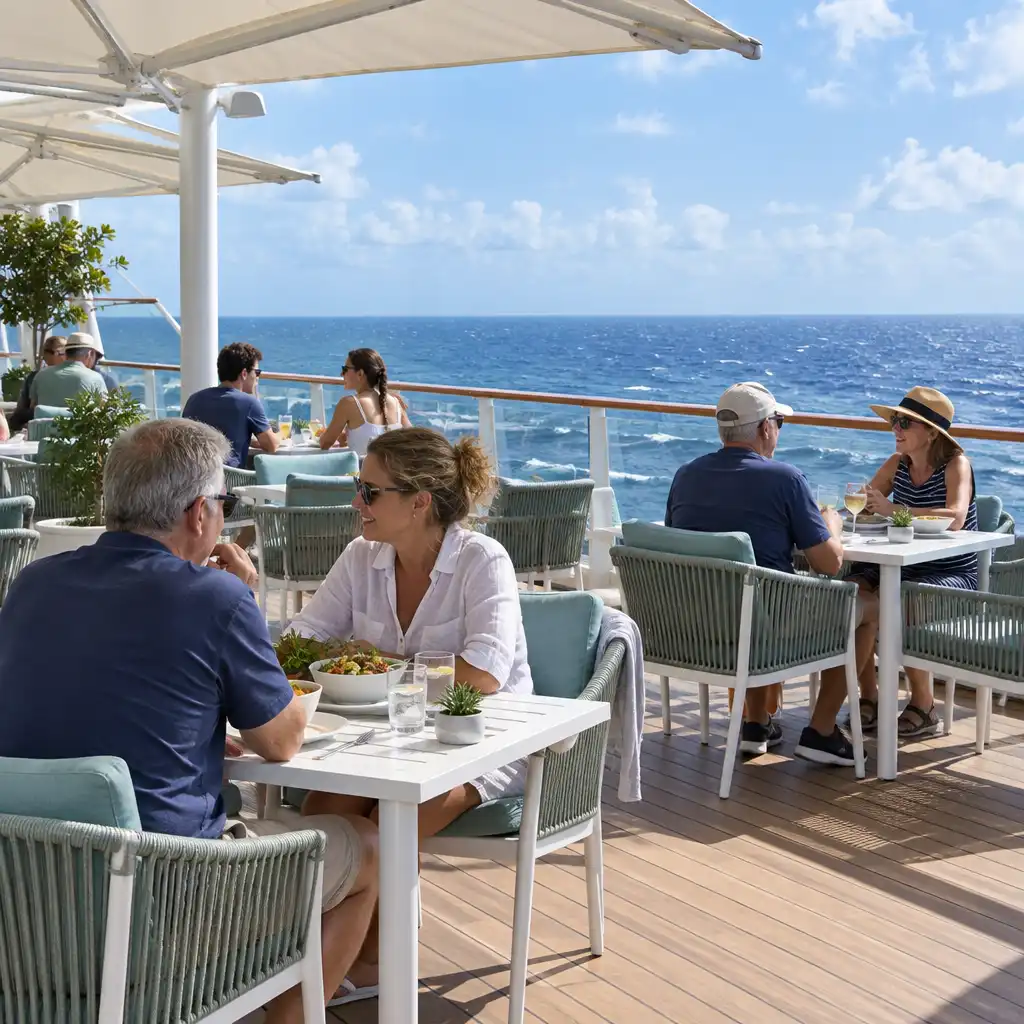
Casual open-air cruise ship bistro with shaded tables and the Pacific beyond the rail.

The everyday rhythm

Casual dining has its own rhythm

  1. Port-day timing. A flexible breakfast or quick meal can matter when you are working around shore excursions, disembarkation times and return-to-ship routines. Check venue hours in the onboard programme or sailing information so a rushed morning does not turn into an unnecessary food decision.
  2. Sea-day pacing. Casual spaces are part of the day, not simply a fallback. They can offer a pause between deck time, activities or a slower itinerary rhythm. Peak periods may feel busier, so varying meal times can help if flexibility and a calmer seat matter to you.
  3. Family and group flexibility. Informal venues can support different appetites and schedules, but it helps to agree on a meeting point and allow time for seating. Couples, families and friends can all benefit from checking layout and access details in ship-specific information.

Occasion planning

Make one meal an occasion

Reserve for the moment, not the label

Choose a specialty meal because it suits a celebration, a quiet evening or a genuine interest, not because it is automatically essential. A first evening, a sea day or a night with breathing room may work well. A good cruise can be planned without specialty dining, and a simpler dinner may fit your plans better.

Culinary presentations

Tastings, demonstrations, hosted meals and other food-focused presentations can blend entertainment and dining. Their format and availability vary by ship and sailing, so check whether booking, capacity, age limits or extra charges apply. Treat factual details separately from your own preference for a social or quieter experience.

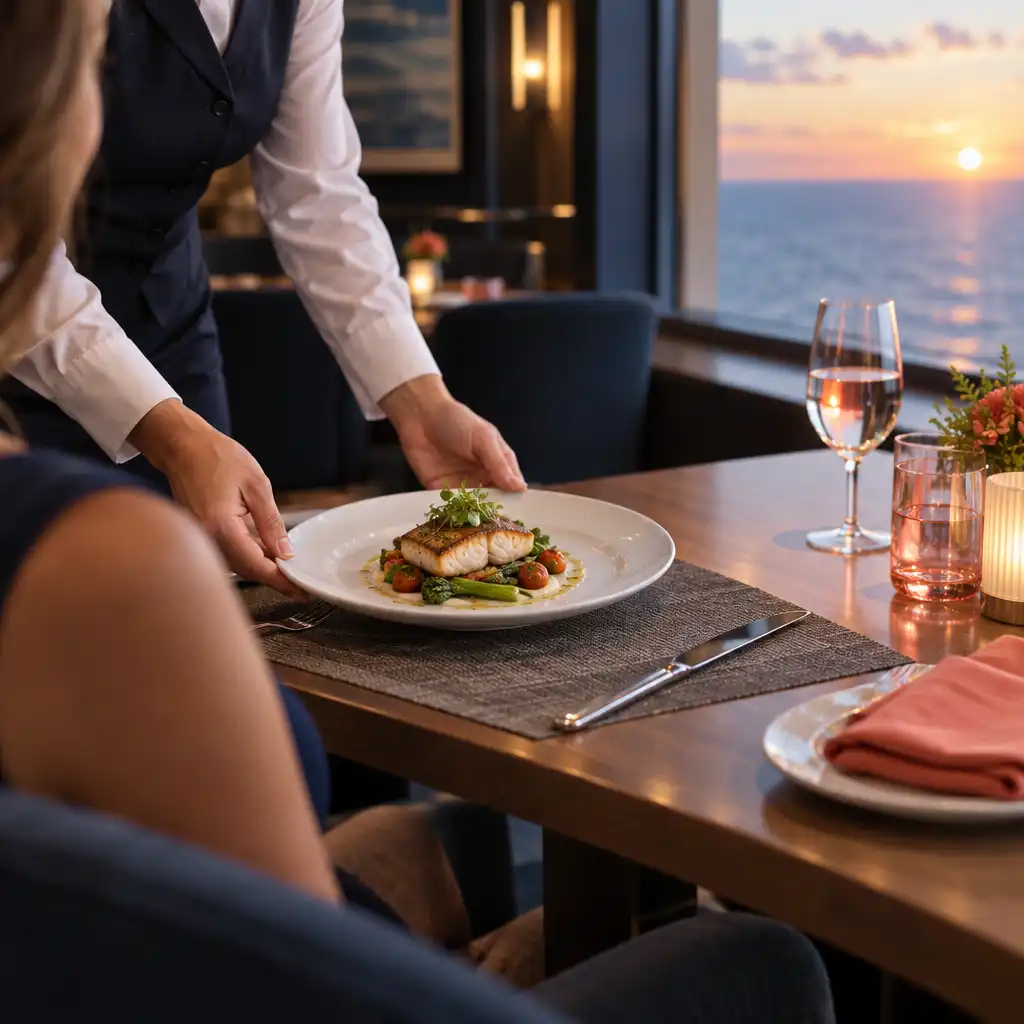
Close view of attentive table service placing a plated course at a cruise ship restaurant table.

Practical preparation

Plan for real dining needs

A confident dining plan accounts for more than restaurants. Thinking through preferences, access and group timing early can make it easier to choose a ship and keep decisions straightforward once you are onboard.

Dietary preferences and allergies

Ask early, then confirm current arrangements.

Review the cruise line’s current process and communicate relevant needs early. Menus, ingredient handling and staff procedures vary, so confirmation is more useful than assumptions. Avoid relying on a general description as a medical guarantee, and keep practical information available during the trip.

Confirm before sailing: the process for your specific vessel and departure.

Mobility, seating and sensory comfort

Consider the setting as well as the menu.

When reviewing a ship, consider venue access, table layout, lift proximity, waiting areas, noise and preferred meal times. Different travellers need different conditions, and current accessibility details for the specific vessel are the best source for final planning.

Confirm before sailing: access and comfort details that matter to you.

Different appetites, different schedules

Keep one shared plan, with room to move.

Couples, families and groups can balance a shared dinner with independent casual options, activities and early starts. Agree on one anchor meal or a clear meeting point, then leave space for changing plans around port days and onboard entertainment.

Confirm before sailing: how meal timing fits your group’s routine.

A repeatable method

A simple dining plan for each sailing day

Use a light framework rather than an every-night timetable. It leaves space for the things that change on a voyage while helping you protect the meals and moments that genuinely matter.

01

Before departure

Review current ship and sailing information for included venues, specialty options, dietary processes and booking windows relevant to your group. Prioritise details that can change by sailing, then build a shortlist instead of a rigid every-night schedule. Ship-specific reviews are a useful independent starting point.

02

When you board

Check the onboard programme, opening hours and any reservation instructions, then decide which meals are genuinely worth planning around. If timing has changed, stay flexible and confirm questions with current onboard information rather than relying on an old routine or general expectation.

03

As the itinerary unfolds

Balance one or two intentional dining moments with casual meals that support weather, port days, activities and how the group feels on the day. Seasonal Pacific itineraries can shift the pace; changing plans is part of a relaxed cruise routine, not a failure to organise.

Ship research

What to compare on a ship dining page

A useful comparison looks beyond venue numbers. Ask how everyday meals, occasion dining and the rest of the onboard rhythm work together for the type of Pacific voyage you want.

The everyday dining picture

Use these questions to judge the daily practicalities: what seems included, when meal periods operate, whether casual capacity supports busy moments, how outdoor seating fits the layout, and whether the routine makes sense around port-day timing.

  • Included mix: What is described as part of the everyday offer?
  • Meal periods: Which times need checking for this sailing?
  • Casual flow: How might seating and service suit busy periods?
  • Outdoor setting: Is open-air dining relevant to the ship layout?
  • Port days: Does the routine support your likely excursion schedule?
  • Daily fit: Would the rhythm feel easy for your travel party?

The occasion and experience picture

Then consider the experience-led choices: specialty options, the reservation approach, the atmosphere you want, culinary presentations and how dinner might sit alongside nightlife or entertainment. Different travellers value these details differently, and extra costs may apply.

  • Specialty choices: Which options are worth considering for you?
  • Reservations: What planning approach is described or required?
  • Atmosphere: Do you prefer lively, quiet, formal or flexible?
  • Presentations: Are food-focused events relevant to your interests?
  • Evening fit: How could dinner work with entertainment plans?
  • Overall value: Does the experience justify time and possible spend?

Use the review as a starting point, then place editorial impressions beside current information for the sailing you select. Our ship overviews help you consider dining alongside cabins, amenities and the broader onboard experience.

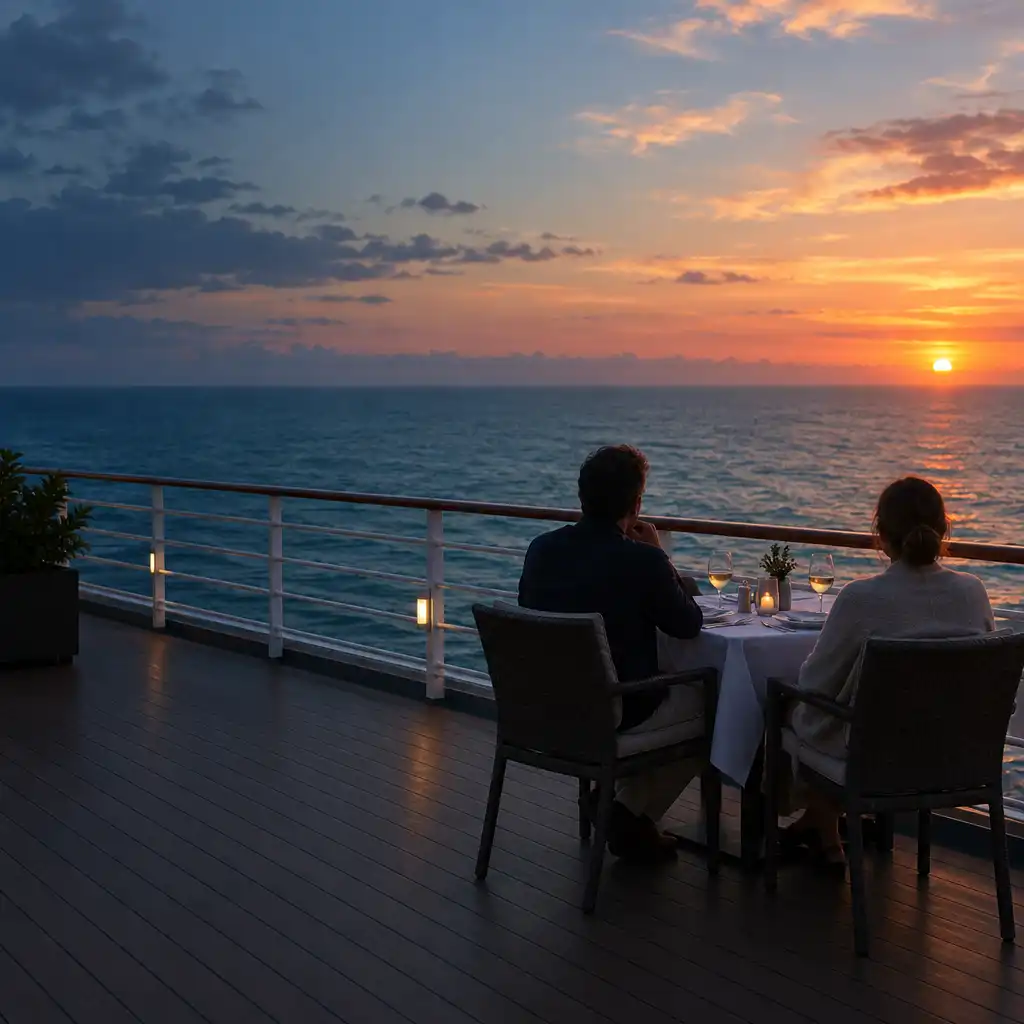
Quiet outdoor dinner setting on a cruise ship deck at sunset with a broad Pacific horizon.

Onboard atmosphere

Pacific dining, deck-side moments

The setting can become part of the meal: open water, changing light and a pause on deck can shape a quiet coffee, casual lunch or unhurried dinner. On sea days and warm-weather routes, the vessel layout and the conditions around it matter just as much as the venue itself.

Conditions can change. Outdoor access, comfort and operating arrangements may vary with weather, itinerary, safety considerations and the specific ship.

Next step

Ready to research your next ship?

Compare ship overviews for dining context alongside cabins, amenities, entertainment, casinos, gaming, deck plans and the overall onboard rhythm. Use that independent picture to narrow your choices, then check final dining details for the sailing you choose.